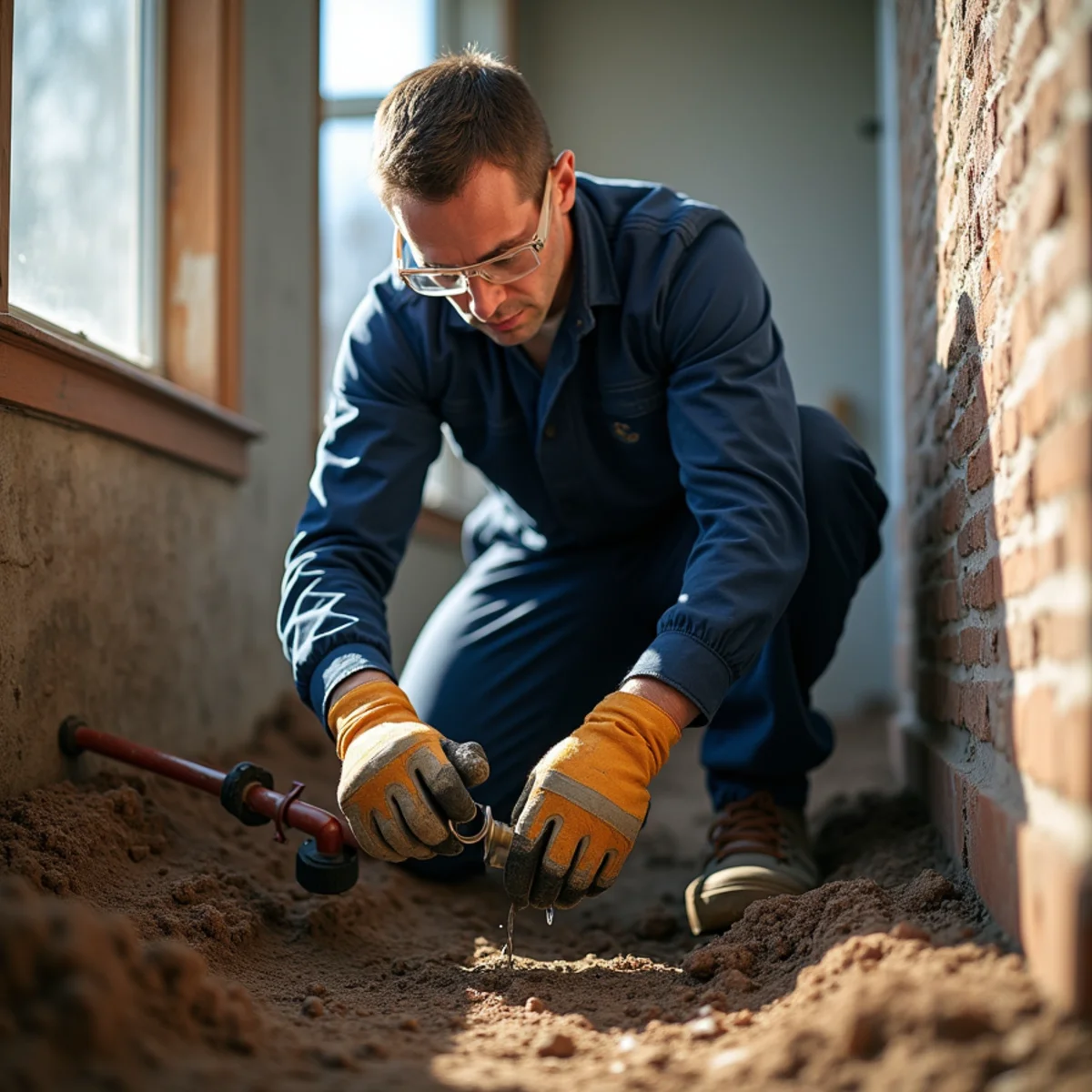
24/7 Emergency Frozen & Burst Pipe Response Across Flossmoor
When arctic polar vortex systems sweep across northern Illinois, temperatures in Flossmoor, Homewood, Olympia Fields, and Chicago Heights routinely plummet well below zero, with wind chills reaching minus thirty degrees. Under these extreme conditions, domestic water supply pipes routed through unheated crawlspaces, exterior wall cavities, or drafty basement rim joists freeze with alarming speed. A sudden loss of water flow at a faucet or the terrifying sound of pressurized water cascading through drywall and floor joists requires immediate, decisive action. Central Rodding Total Sewer Service, Inc. delivers rapid-response 24/7 emergency pipe thawing and burst pipe repair across Cook and Will counties. Established in 1957, our family-owned company maintains fully equipped mobile emergency workshops staffed by licensed, experienced service plumbers. We maintain rapid 30- to 60-minute response times across our primary service communities, dispatching vehicles loaded with commercial pipe thawing induction machinery, digital thermal imaging cameras, hundred-foot coils of Type L copper and PEX-a tubing, and thousands of mechanical fittings. When you call our emergency dispatch team at (614) 830-0578, we provide immediate guidance on isolating your main water supply while dispatching a qualified emergency technician to your residence to stop water damage and restore domestic plumbing service.
The Physics of Pipe Rupture: Trapped Pressure & Polar Freeze Vulnerabilities
A widespread misconception among homeowners is that a freezing pipe bursts directly where the ice forms due to radial ice expansion. In reality, modern plumbing hydraulics reveals a far more dangerous mechanical process. As standing water inside a pipe freezes, it expands by approximately nine percent in volume. When this ice plug forms along an exterior wall run, it creates a completely watertight seal within the conduit. As additional ice develops along the pipe length, it forces the remaining liquid water trapped between the freeze plug and a closed downstream faucet into an enclosed, unyielding hydraulic column. Because water cannot be compressed, internal line pressure escalates from standard municipal operating pressures of 50 to 65 PSI to catastrophic extremes exceeding 2,500 to 4,000 PSI. This immense hydraulic force splits copper pipe walls along longitudinal seams, tears apart soldered elbow fittings, and shatters rigid CPVC piping. In South Suburban homes, the most vulnerable locations include cantilevered second-story room overhangs above garages, kitchen sink supply lines positioned inside uninsulated exterior walls, unheated slab crawlspaces, and outdoor hose bibbs where garden hoses were left attached through autumn frosts.
Critical First Ten Minutes: Main Shutoff, Pressure Relief & Stuck Valve Protocol
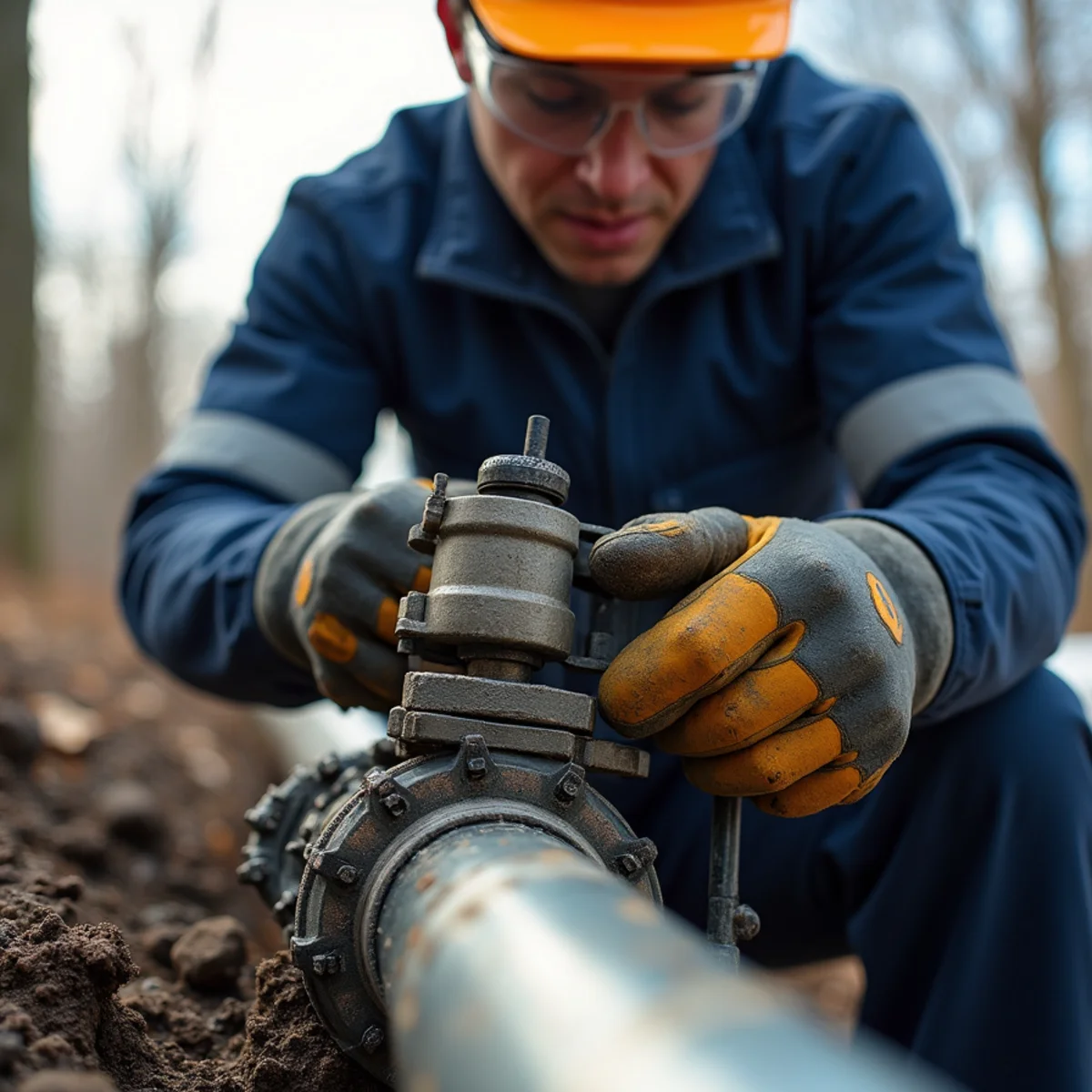
If a pipe has ruptured and water is actively spraying into your home, executing proper emergency shutoff within the first few minutes saves tens of thousands of dollars in structural and electrical repairs. First, locate and close your home main domestic water shutoff valve immediately. In most Flossmoor and South Suburban residences, this valve is positioned in the basement or crawlspace along the front foundation wall, located immediately before or after the municipal water meter. If your system features a modern quarter-turn ball valve, rotate the handle perpendicular to the pipe; if you have a traditional multi-turn round wheel gate valve, turn it clockwise until firmly seated. If an aging brass gate valve is calcified and refuses to turn, never force it with heavy wrenches or channel locks, as brittle brass stems can easily snap off, causing an even larger leak. Instead, call our emergency dispatchers immediately—we carry specialized five-foot curb keys to shut down the water supply at the parkway buffalo box (B-box) at the street line. Second, open hot and cold faucets on both the highest and lowest levels of your home. Relieving trapped hydraulic pressure drains residual water from the vertical risers into sinks rather than out of the pipe break. Third, assess electrical hazards before entering damp areas. If cascading water has penetrated light fixtures, switches, basement ceilings, or floor outlets, do not step into standing water. Go to your electrical service panel and trip the main breaker or isolate branch circuits supplying the affected areas before attempting to salvage personal belongings.
Safe Controlled Pipe Thawing vs. Dangerous Open-Flame Hazards
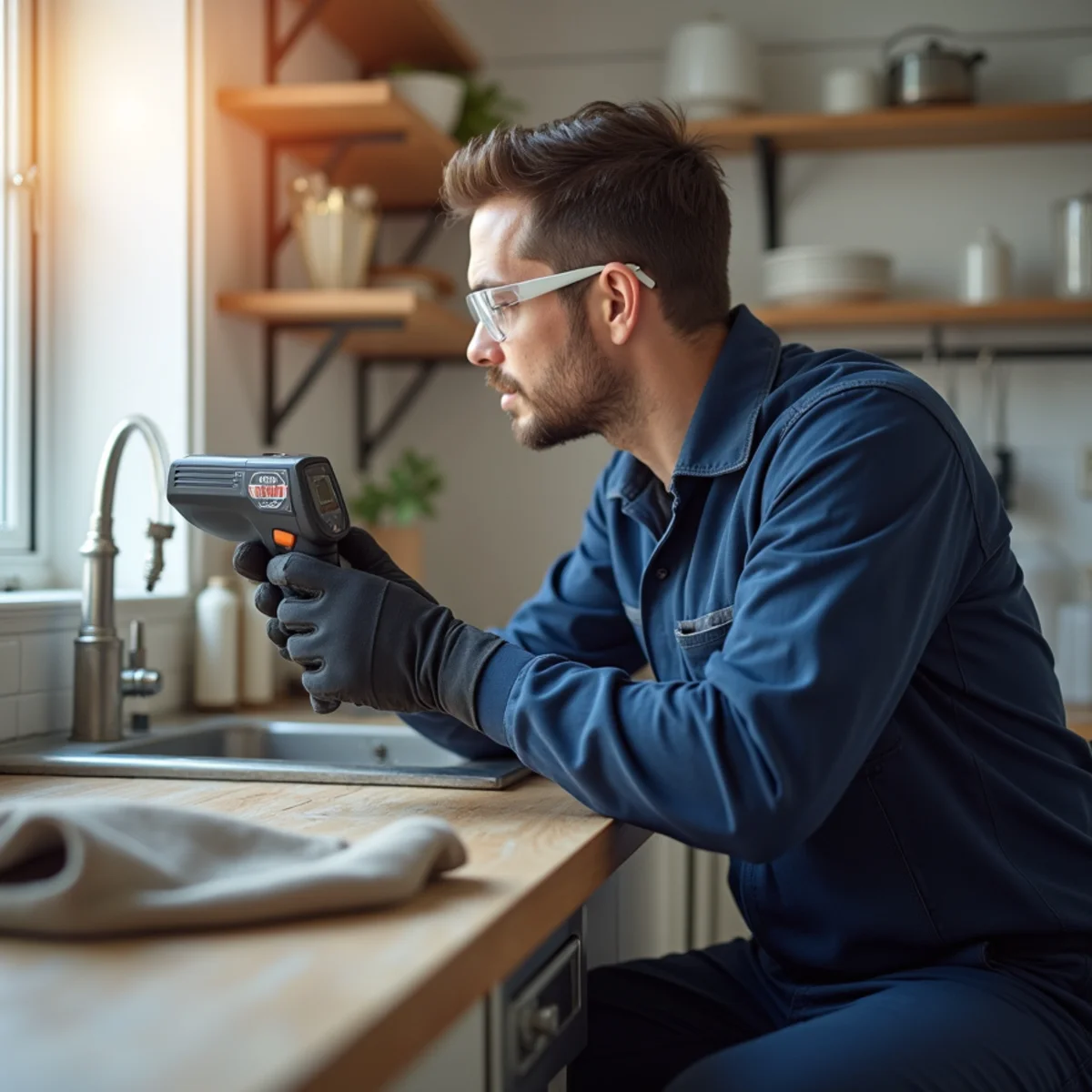
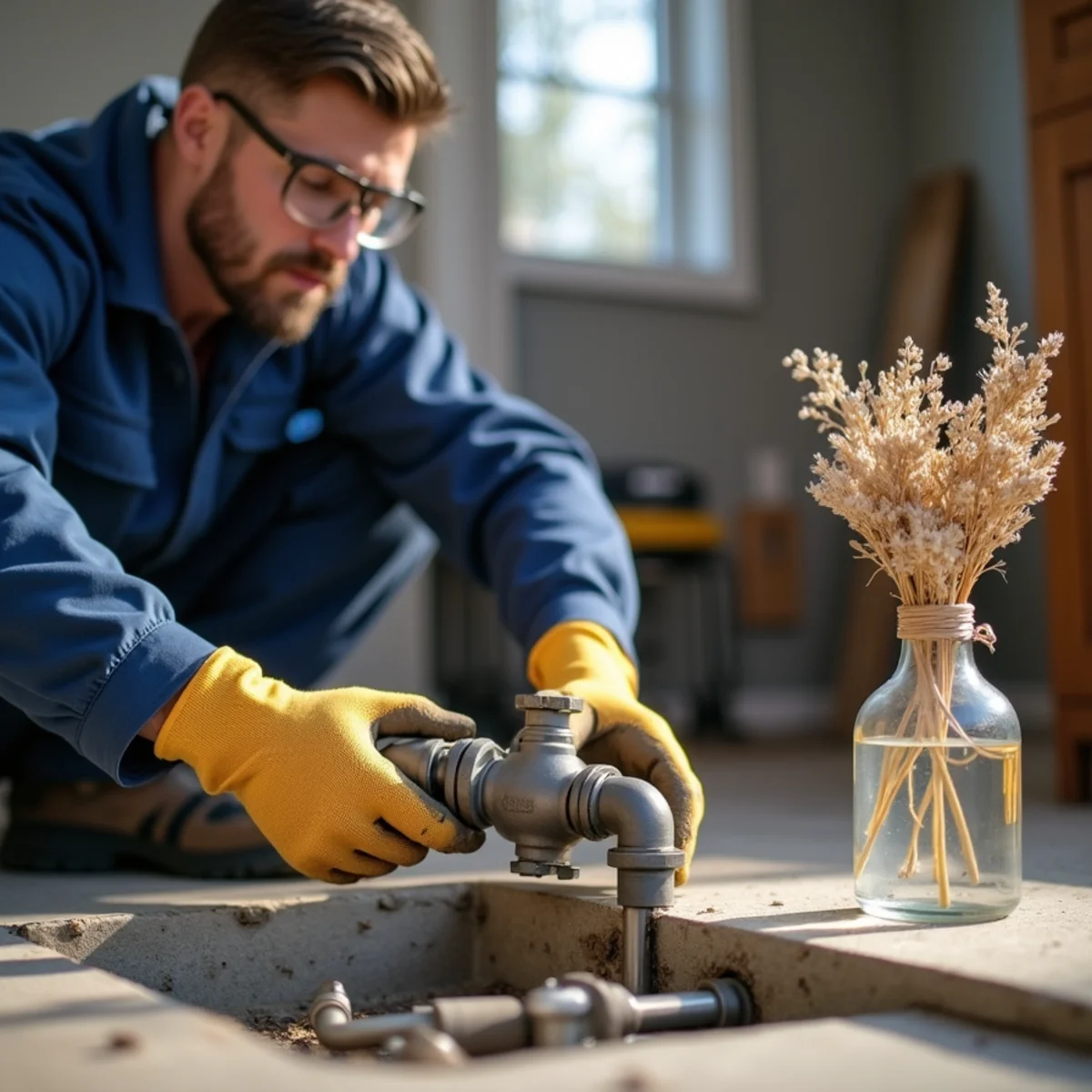
When pipes freeze solid but have not yet ruptured, homeowners often attempt amateur thawing methods that result in catastrophic structural house fires or steam explosions. Using open-flame propane torches, butane lighters, or high-intensity blowtorches against frozen plumbing pipes inside residential wall cavities is extraordinarily hazardous. The concentrated flame rapidly ignites dry wooden framing studs, fiberglass insulation backing, and cobwebs behind drywall. Furthermore, applying intense point-source heat directly to an iced copper pipe boils trapped liquid water into superheated steam, causing the pipe to explode under thermal expansion. Central Rodding utilizes safe, professional-grade thermal thawing equipment. Our technicians deploy controlled high-output infrared thermal wraps, variable-temperature commercial heat induction blowers, and specialized electric pipe thawing units. We methodically thaw lines beginning from the open fixture faucet backward toward the ice blockage, allowing melting liquid to escape safely without generating internal hydraulic pressure surges. Following complete thawing, our technicians conduct digital acoustic leak detection and pressure-drop monitoring across the line to verify that zero hidden hairline fractures exist behind concealed walls.
Precision Pipe Repair: ProPress Technology, Solder Restoration & PEX-a Upgrades
Once frozen lines are safely thawed and evaluated, Central Rodding executes permanent structural plumbing repairs. Where pipes have fractured, split, or suffered blown soldered couplings, our licensed plumbers cut away damaged conduit using precision tube cutters, deburring and reaming pipe ends to ensure unrestricted laminar water flow. In wet, dripping basement environments where residual moisture prevents traditional torch soldering, we deploy commercial-grade RIDGID ProPress hydraulic pressing systems. ProPress fittings utilize heavy-gauge wrought copper sleeves with integrated EPDM seals, creating permanent, flame-free, leak-proof mechanical joints rated to 250 PSI in seconds. For supply runs routed through high-risk exterior wall cavities or cold crawlspaces, we often recommend re-plumbing vulnerable sections with flexible cross-linked polyethylene (PEX-a). Unlike rigid copper or brittle CPVC, PEX-a piping possesses exceptional thermal elasticity, expanding up to three times its diameter when frozen without splitting or bursting, and returning to its original structural dimensions upon thawing. Typical emergency repair costs across southern Cook and northern Will counties range from $275 to $495 for isolated single-joint repairs, $450 to $850 for multi-fracture thawing and line splices, and $1,200 to $2,500+ for extensive exterior wall reroutes or crawlspace repiping.
Long-Term Freeze Prevention, Rim Joist Sealing & Cold-Snap Household Protocols
Repairing a burst pipe should always be paired with proactive building envelope and plumbing improvements to prevent recurring freeze failures during subsequent Illinois cold snaps. Central Rodding inspects your plumbing distribution network to identify thermal weak points. We install heavy-duty closed-cell polyethylene foam pipe insulation around exposed supply pipes in unheated basements, utility closets, and crawlspaces. We advise homeowners on sealing drafty basement rim joists with dense expanding foam insulation to block sub-zero air infiltration from freezing lines. Furthermore, our technicians replace old gate-valve exterior hose bibbs with true frost-proof, anti-siphon sillcocks (such as Woodford Model 17 or Model 19 assemblies). These commercial fixtures incorporate a 10- to 14-inch elongated valve stem that positions the actual shutoff mechanism deep inside the heated interior envelope of the foundation wall, eliminating exterior freeze vulnerability. During extreme polar weather warnings below zero degrees, we advise homeowners to open cabinet doors below bathroom vanities and kitchen sinks to circulate warm ambient air, and allow a continuous pencil-thin stream of cold water to trickle from the furthest faucet to relieve internal hydraulic pressure.
Seven Decades of South Suburban Cold-Weather Plumbing Leadership
Since 1957, Central Rodding Total Sewer Service, Inc. has served as the trusted emergency plumbing protector for families and commercial properties across the Chicago South Suburbs. Having weathered nearly seventy Illinois winters—including historic blizzards, deep polar vortices, and record sub-zero cold snaps—we know exactly where and why local plumbing systems fail. Our master plumbers provide transparent upfront pricing before starting any repair work, eliminating hidden emergency premiums and after-hours surprises. We treat your property with utmost respect by wearing protective sanitary boot covers and thoroughly drying work areas before departing. Central Rodding holds an A+ rating with the Better Business Bureau and is fully licensed, bonded, and insured throughout Illinois. If you are dealing with frozen water lines or an emergency burst pipe anywhere in Flossmoor, Homewood, Olympia Fields, or adjacent South Suburban towns, call our 24-hour emergency response team immediately at (614) 830-0578.
Part of our Emergency Plumber Division
Explore complete equipment specifications and related maintenance programs.
Serving South Suburban Property Owners
We provide professional burst & frozen pipes across these neighboring communities: