Tree Roots in Sewer Line: Flossmoor Root Intrusion Diagnostics & Removal
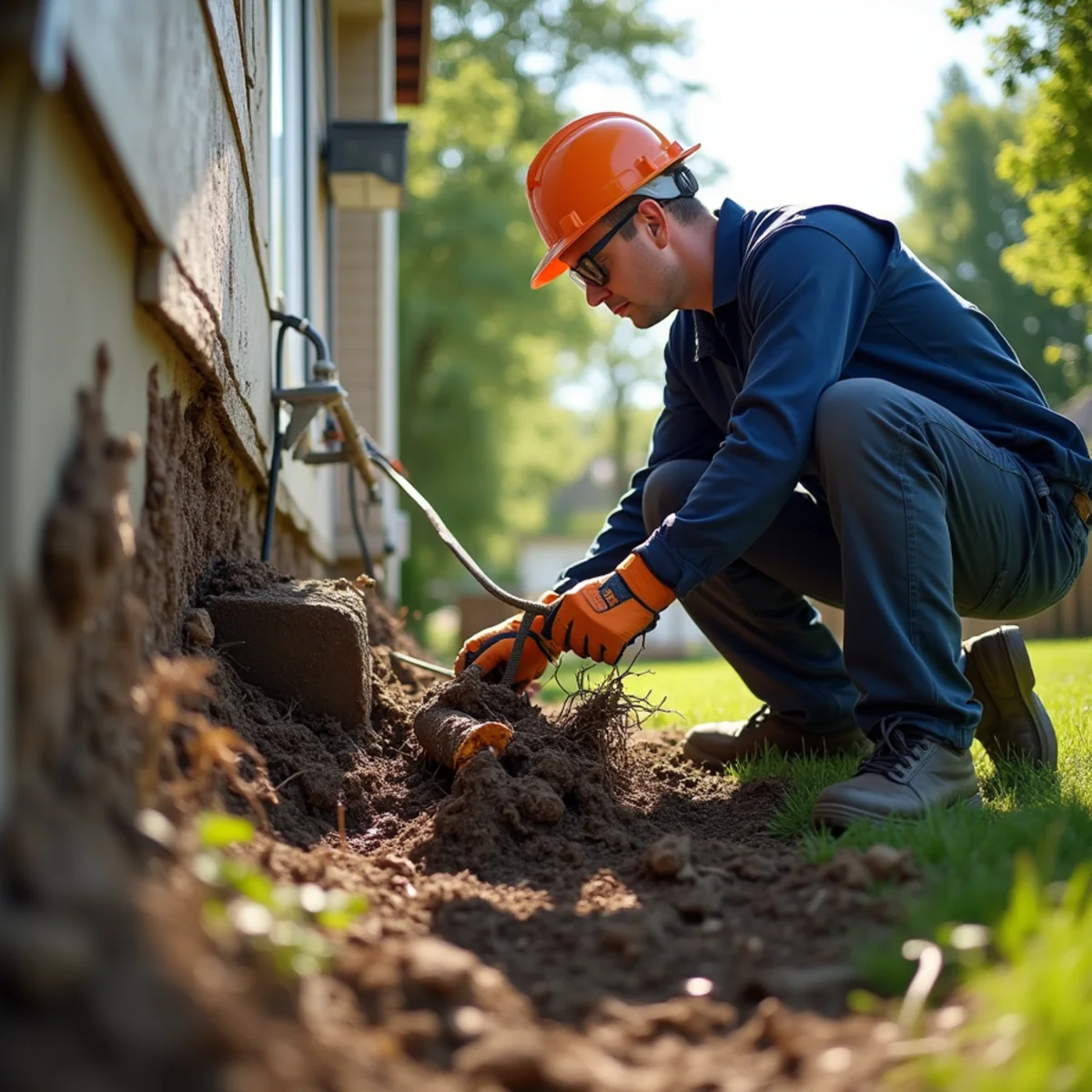
For homeowners in Flossmoor and neighboring south suburbs, mature silver maples, weeping willows, American elms, and bur oaks create majestic street canopies—while posing a constant underground threat to residential sewer laterals. Tree roots naturally seek water, warmth, and oxygen. The joints and hairline fissures of vitrified clay and aging cast iron pipes provide an ideal vapor trail. When condensation forms on the exterior of buried sewer pipes, microscopic root hairs detect the moisture, entering through minute gaps in unsealed mortar joints. Once inside, roots encounter a continuous supply of nutrient-rich wastewater, causing them to expand rapidly into dense, fibrous root balls that catch toilet paper, solid waste, and grease. Central Rodding Total Sewer Service, Inc. has specialized in mechanical root cutting and lateral restoration throughout Cook and Will counties since 1957. Operating from our local facility at 3718 198th St, our master technicians understand the unique subsoil geology of the South Suburbs and the aggressive root profiles of local tree species. Rather than temporary chemical drenches that merely singe root tips, we utilize heavy-duty sectional rodding machinery equipped with industrial root-cutting saw blades that shave intrusive roots flush to the pipe wall, restoring full diameter hydraulic flow to your main lateral.
How Invasive Tree Roots Penetrate South Suburban Clay & Cast Iron Laterals
Understanding how roots infiltrate underground plumbing helps property owners make informed infrastructure decisions. The predominant sewer pipe material installed across Flossmoor, Homewood, and Olympia Fields between the 1920s and late 1970s was vitrified clay tile, laid in short two-to-three-foot sections joined by oakum and concrete mortar. Over decades of seasonal freeze-thaw cycles, heavy South Suburban glacial clay soils shift, cracking brittle mortar collars. Tiny feeder roots as thin as human hair easily slip through these microscopic cracks. Once within the warm, humid environment of the sewer pipe, roots expand exponentially into massive tap roots and woody mesh mats. Cast iron sewer laterals, while durable, also develop tuberculation, bottom rot, and joint corrosion that invite invasive root growth over forty to sixty years of service. As root masses expand, they exert tremendous outward hydraulic pressure against pipe walls, worsening minor hairline cracks into catastrophic fractures and pipe collapses. Furthermore, invasive root systems act as underground nets, snagging household waste, feminine hygiene products, and kitchen fats. Without aggressive mechanical shearing, an initially minor root intrusion inevitably results in complete mainline blockages, pushing contaminated sewage up through basement floor drains and lower-level plumbing fixtures.
Early Warning Signs of Severe Root Intrusion in Residential Drains
Tree root intrusion develops progressively underground, giving homeowners distinct warning signs before a catastrophic basement flood occurs. The earliest symptom is usually a hollow gurgling sound emanating from basement floor drains or first-floor toilets when a large volume of water discharges—such as during a washing machine spin cycle or dishwasher drain phase. As root masses capture more debris, water drains sluggishly across multiple fixtures simultaneously. If plunging an upstairs toilet causes water or air bubbles to erupt in an adjacent shower trap, the obstruction is located deep within the main sewer lateral rather than inside the fixture branch drain. Another telltale indicator is recurring sewer gas odors inside basements or crawlspaces, caused by fluctuating water levels in dried-out P-traps when blocked sewer lines lose positive venting pressure. Outside the home, homeowners may notice unusually lush, green patches of grass directly above the underground sewer lateral path, or localized ground depressions where soil has washed into fractured pipe joints. If your sewer line backs up predictably every spring or early summer when tree growth accelerates, root intrusion is almost certainly the culprit. Ignoring these warning signs allows root stems to thicken into rigid woody structures that can shear clay pipes beyond mechanical salvage.
Our 5-Step Heavy-Duty Sewer Root Cutting & Line Clearing Protocol
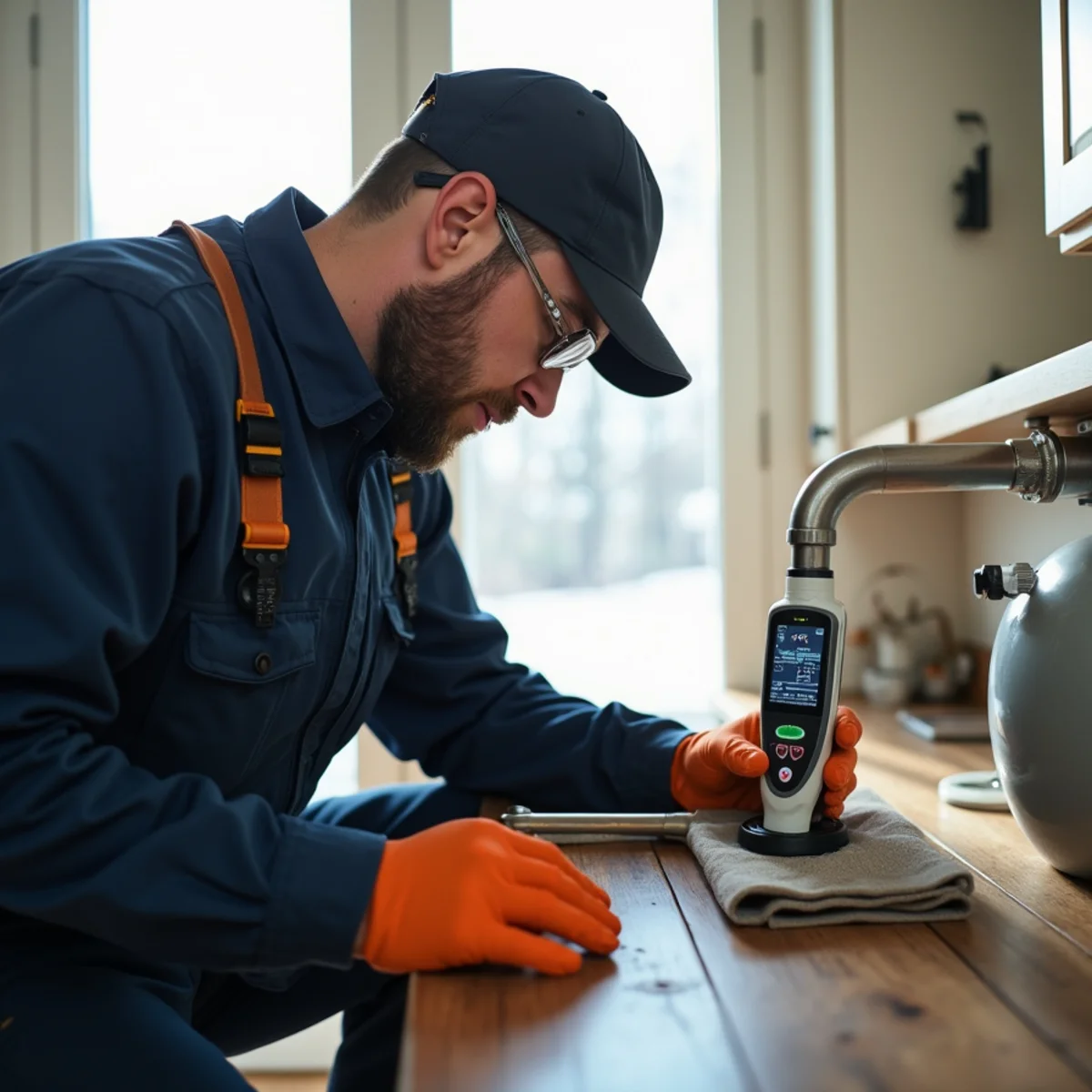
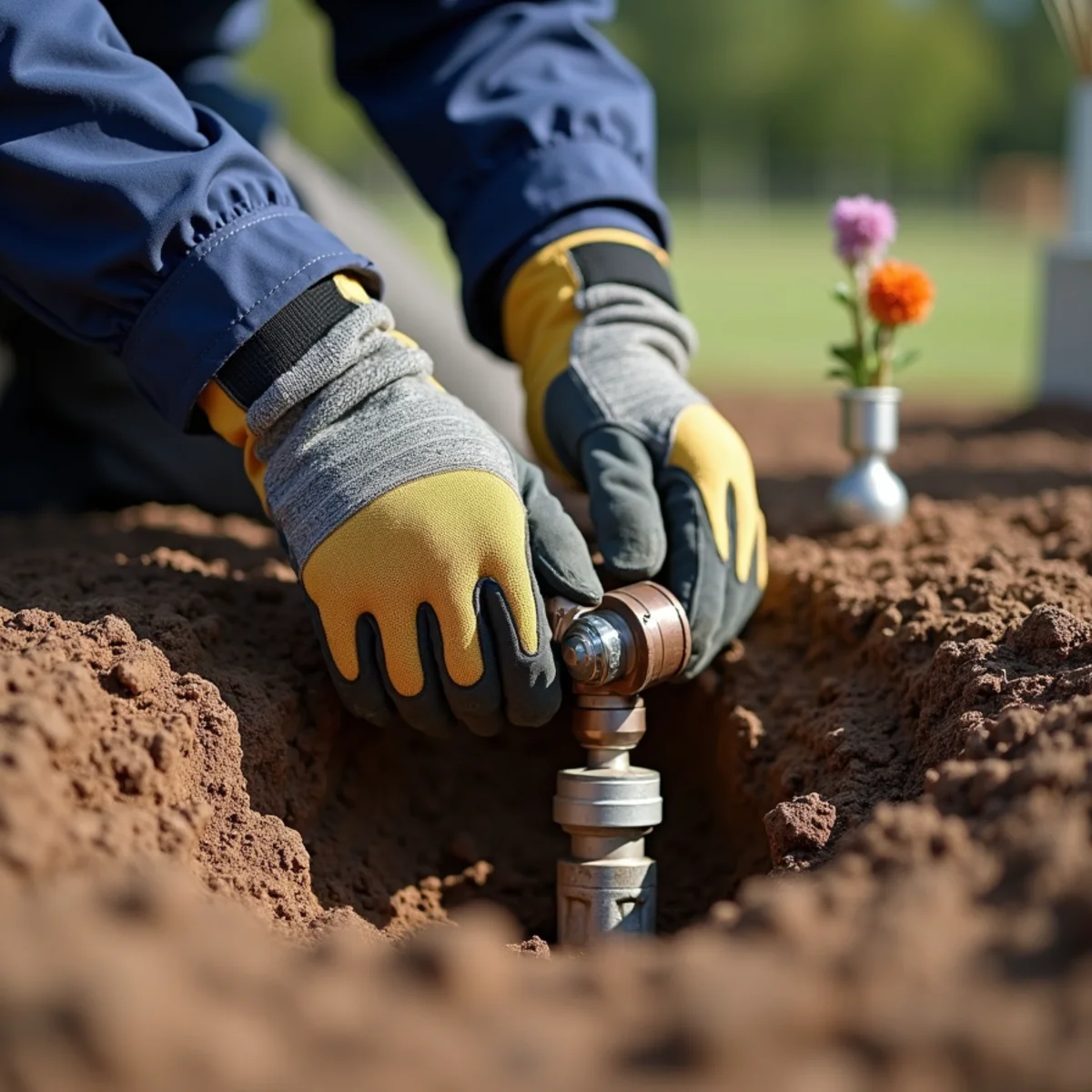
At Central Rodding Total Sewer Service, Inc., we follow a rigorous, field-proven five-step protocol to eliminate tree roots and safeguard your sewer lateral. First, we perform an initial diagnostic intake and locate the primary exterior cleanout. By accessing your sewer line from an outside cleanout rather than indoor basement traps, we eliminate the need to pull heavy toilets and ensure contaminated sewage cables never enter your home. Second, we configure our industrial Spartan rodding machines with heavy-gauge tempered steel sectional rods. We begin with a preliminary exploratory spearhead or spade blade to punch a pilot hole through dense woody root masses, relieving immediate hydrostatic pressure and establishing baseline drainage. Third, we step up to full-diameter expanding root cutters and serrated spiral saw blades matched precisely to your pipe inner diameter—whether 4-inch, 6-inch, or 8-inch mains. Powered by high-torque electric gearboxes, these rotating blades shave root intrusions flush against the inner circumference of the pipe wall without cracking aged clay tile. Fourth, we perform high-volume continuous water flushes to wash sheared root fragments, compacted grease, and accumulated debris out to the municipal street main. Fifth, we conduct a high-definition color CCTV camera inspection, providing homeowners with visual confirmation that roots have been eradicated, while evaluating the structural condition of the pipe joints.

Root Removal From Sewer Line: Cost Variables & Long-Term Solutions
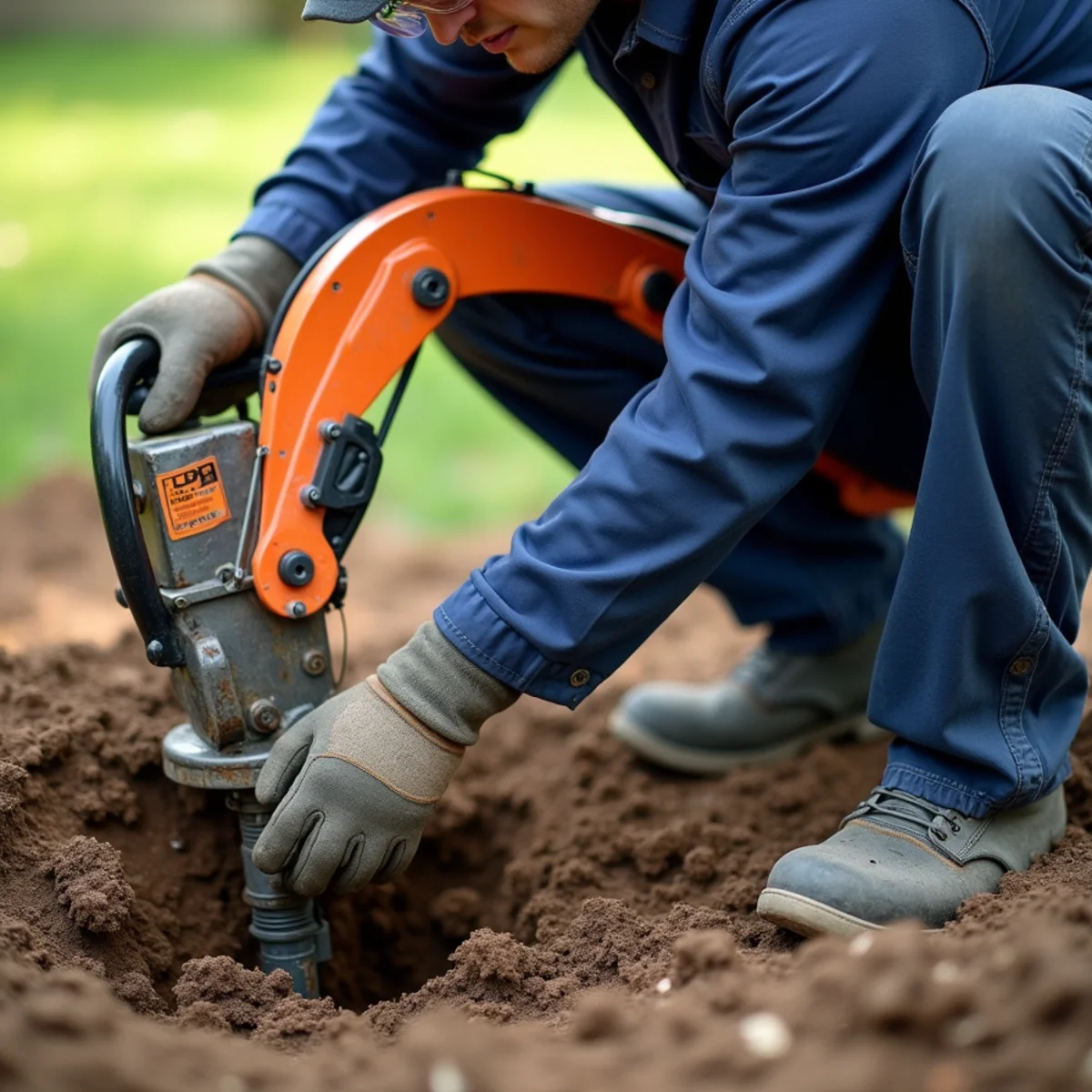
When dealing with tree roots in sewer laterals, property owners require straightforward cost factors to make smart repair choices. In the South Suburbs of Chicago, routine mechanical root cutting and sewer rodding from an existing exterior cleanout typically ranges between $150 and $350 for standard residential laterals. Four main variables influence total service costs: the overall length and depth of the lateral (Flossmoor homes with deep setbacks often have runs exceeding 100 feet to the street main), the thickness and maturity of root infiltration (light seasonal tap roots require less cutting time than calcified woody root masses), the accessibility of outside cleanout ports, and whether after-hours emergency response is needed. If a home lacks an exterior cleanout, accessing main lines through cramped basement drum traps or removing indoor toilets requires additional labor, adding $100 to $200. Following mechanical rodding, homeowners may choose chemical root-inhibiting foam treatments (such as dichlobenil or metam-sodium) to coat pipe walls and suppress regrowth for up to twelve months. However, when CCTV inspections reveal fractured clay bells, collapsed crowns, or severe root damage, our master technicians explain permanent options, including cured-in-place pipe lining ($1,100–$4,500) or open-trench spot replacement, providing transparent, line-item estimates on-site before commencing work.
Flossmoor Municipal Permitting, IDPH Standards & Underground Safety
Underground sewer maintenance and lateral repairs in Flossmoor must strictly satisfy Village municipal building codes and state health regulations. Under Village of Flossmoor municipal ordinances, any structural plumbing or sewer lateral repair work exceeding a $100 threshold requires a formal permit and subsequent engineering inspection by the Flossmoor Building Department. Sewer contractors operating on sanitary infrastructure must maintain active licensing with the Illinois Department of Public Health (IDPH) and maintain an active $10,000 surety bond filed directly with the Village of Flossmoor. Central Rodding Total Sewer Service, Inc. maintains active bond compliance, commercial liability insurance, and worker compensation protections. When root cutting identifies pipe shearing or when installing a permanent exterior cleanout, we handle all municipal permit filings with Village Hall at 2800 Flossmoor Road. We also manage mandatory underground utility coordination through JULIE (Illinois One-Call System, 811) before any excavation commences, ensuring natural gas, electric, and municipal water mains remain protected. Our strict adherence to the Illinois Plumbing Code (77 Ill. Adm. Code 890) protects South Suburban property owners from structural liabilities and guarantees that all repairs meet or exceed municipal durability standards.
Why South Suburban Homeowners Choose Central Rodding for Root Defense
For nearly seven decades, Central Rodding Total Sewer Service, Inc. has been the definitive authority in south-suburban sewer maintenance and root intrusion remediation. Founded in 1957 by James, Patricia, and Laurie Hepworth and listed in The Blue Book of Building and Construction since 1958, our company is led by master sewer contractor James Hepworth and senior field technician Wayne. We bring over six decades of institutional knowledge to every sewer lateral in Cook and Will counties. Unlike franchise rooter companies that rely on high-pressure sales scripts and push immediate, five-figure trench replacements, Central Rodding operates with authentic blue-collar integrity. If mechanical root cutting and annual maintenance can safely preserve your original clay lateral, that is exactly what we recommend. As an accredited Better Business Bureau business holding an unblemished A+ rating, we guarantee upfront, flat-rate pricing with zero hidden travel charges across our South Suburban service territory. When roots threaten your home with sewer backups, our service trucks dispatch immediately from our local Flossmoor shop, arriving within 15 to 30 minutes equipped with industrial Spartan rodders, precision root cutters, and self-contained wash-down equipment to leave your property immaculate.
Part of our Sewer Services Division
Explore complete equipment specifications and related maintenance programs.
Serving South Suburban Property Owners
We provide professional tree root removal across these neighboring communities: