
Precision Toilet Repair, Rebuilding & Same-Day South Suburban Dispatch
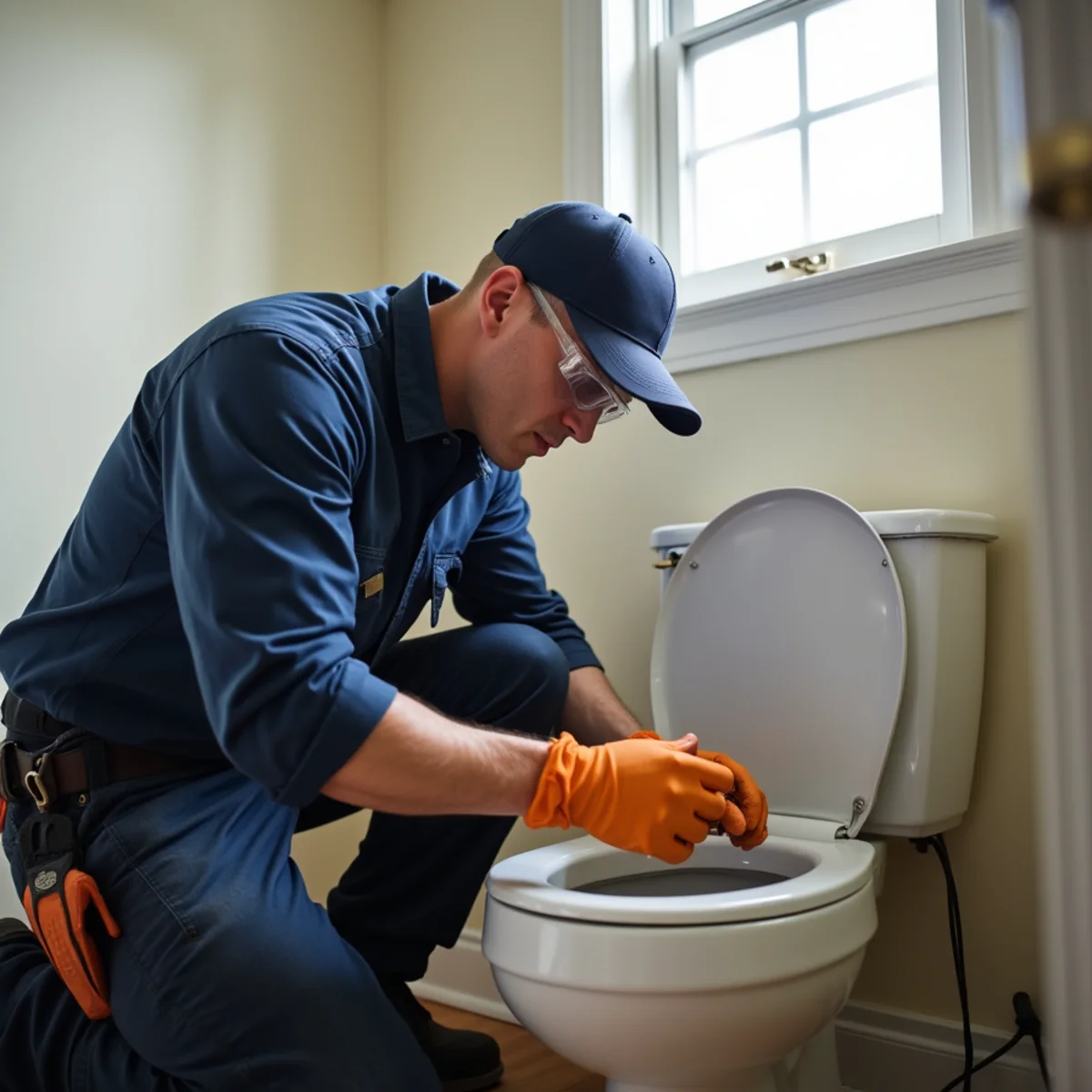
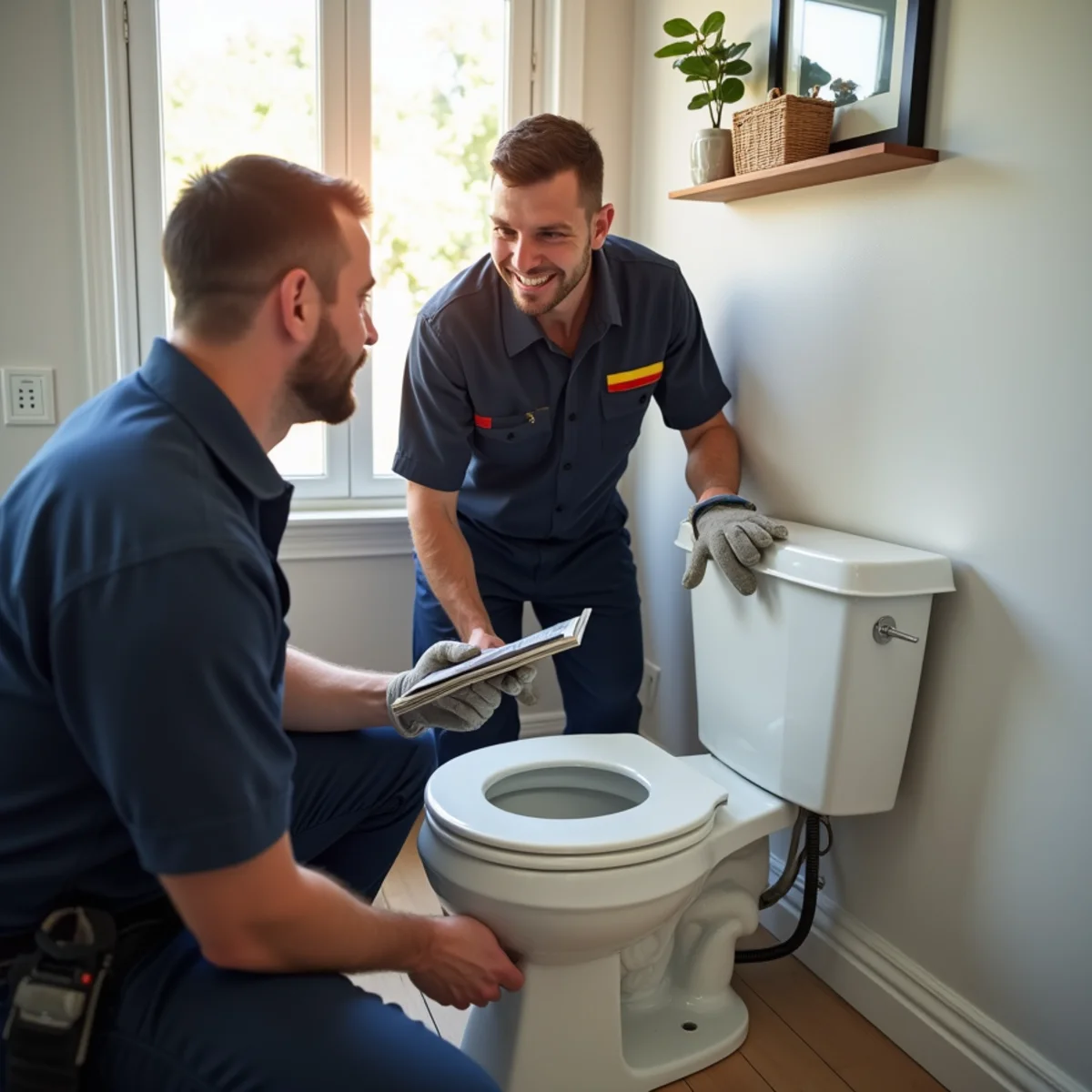
A malfunctioning toilet disrupts household hygiene, spikes monthly municipal water bills, and threatens subfloor structural integrity. Whether dealing with a toilet that runs continuously, a bowl that rocks when seated, persistent sewer gas odors in the bathroom, or chronic clogs that resist plunging, quick professional repair is essential. Central Rodding Total Sewer Service, Inc. provides same-day toilet repair, mechanical rebuilding, and high-efficiency replacement throughout Flossmoor, Homewood, Olympia Fields, Chicago Heights, and neighboring Cook and Will county communities. Our licensed service plumbers arrive in fully stocked mobile workshops equipped with heavy-duty closet augers, universal commercial fill valves, reinforced fluidmaster flappers, heavy-gauge brass closet bolts, and commercial-grade replacement fixtures. When our technician enters your home, we inspect the porcelain tank and bowl for hairline casting stress fractures, test the supply shutoff stop for packing leaks, and lay neoprene floor runners to protect delicate bathroom tile. Since 1957, our family-owned company has serviced the unique vintage plumbing rough-ins of South Suburban residences, diagnosing the exact mechanical failure on our initial visit and providing transparent, upfront pricing before starting any repair work.
The Anatomy of Toilet Failure: Phantom Flushes, Leaking Seals & Hard Water Scale
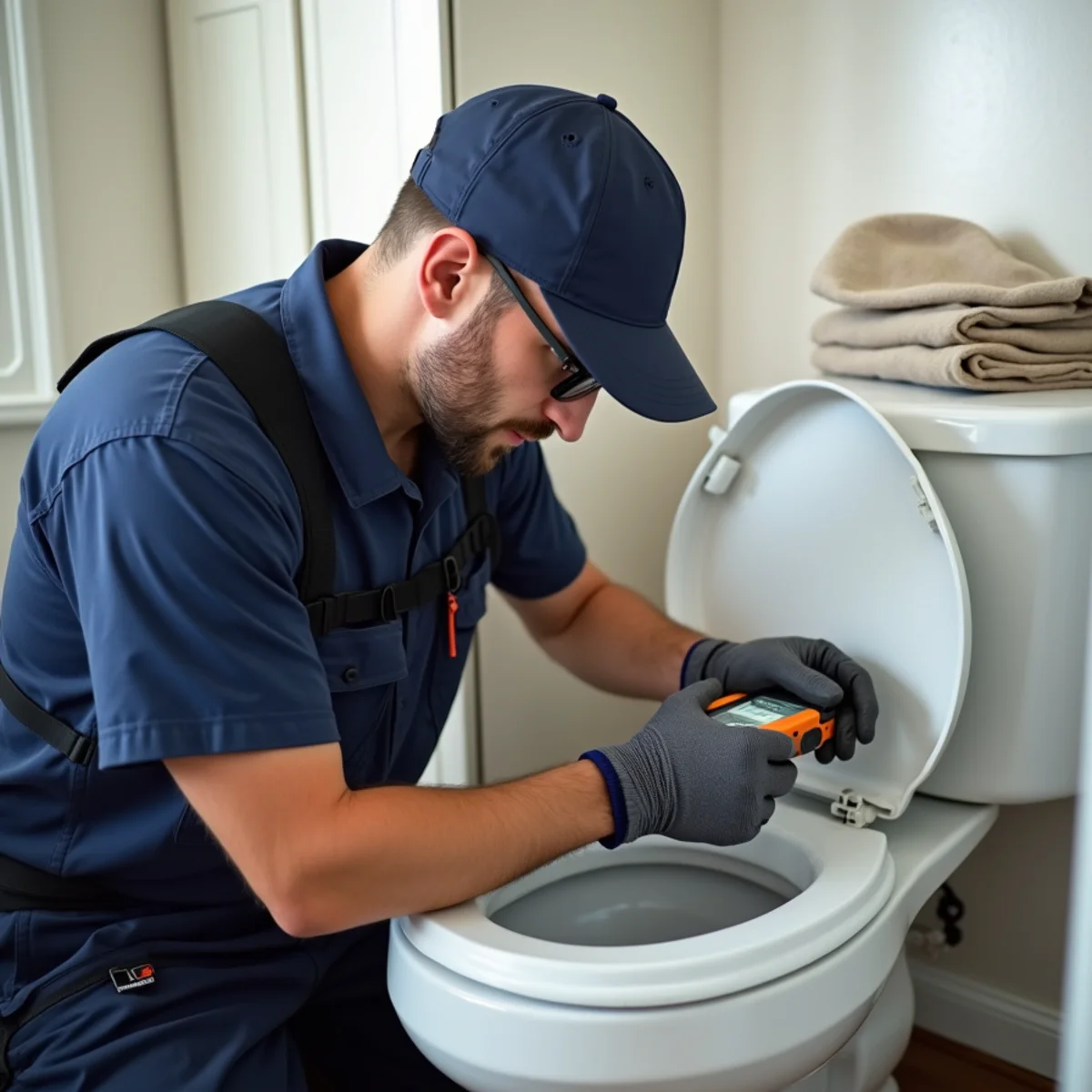
Understanding the root cause of toilet malfunction requires examining the mechanical interaction between water chemistry, internal tank assemblies, and sanitary drain connections. One of the most prevalent complaints across Flossmoor homes is the phantom flush—where a toilet spontaneously refills for several seconds every hour despite no one using it. This occurs when the rubber flapper or flush valve silicone seal deteriorates due to municipal chlorine and mineral calcification from regional Lake Michigan water supplies (averaging 7 to 8 grains per gallon). Water slowly seeps past the seal into the bowl, dropping the tank level until the fill valve float triggers an automatic top-off, silently wasting up to 200 gallons of treated drinking water daily. Another frequent failure is water pooling around the toilet base during flushes. This indicates that the wax ring seal between the vitreous china horn and the drainage closet flange has failed. Once the wax ring blows or dries out, raw wastewater and hazardous sewer gases escape onto the subfloor beneath bathroom tile. Left unresolved, this moisture rots subfloor wood, rusts steel joist fasteners, and creates ideal environments for toxic black mold. Furthermore, dissolved minerals in regional water slowly coat the small rim jets and lower siphon jet hole located at the bottom of the toilet bowl. As calcified scale constricts these water ports, the incoming water volume drops, eliminating the powerful swirling hydraulic siphon necessary to clear solids and leaving the bowl sluggish and prone to chronic clogging.
Vintage Closet Flanges, Lead Bends & Subfloor Stabilization Protocols
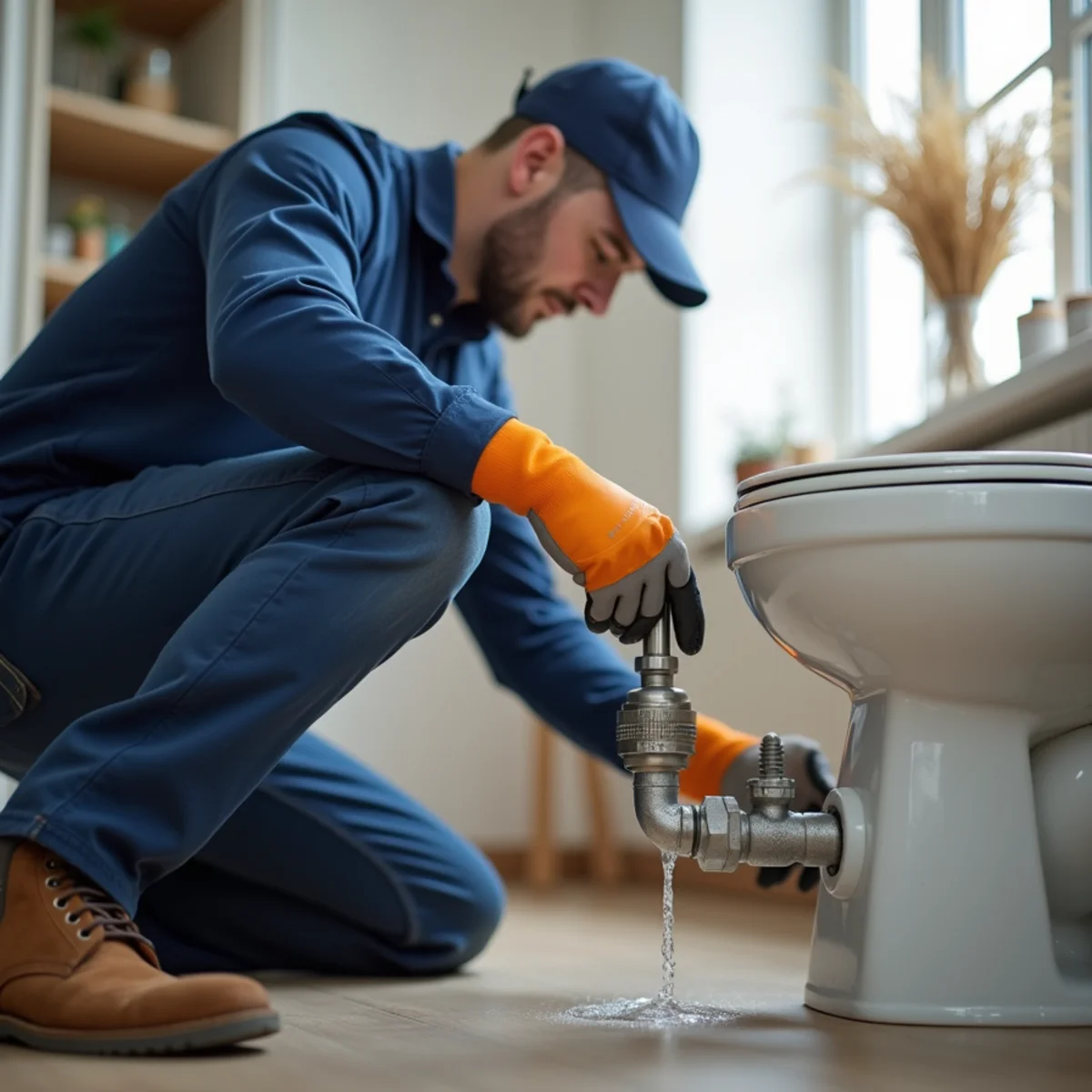
Many homes across Flossmoor, Park Forest, and Chicago Heights constructed between the 1920s and late 1960s feature vintage drain connections that require specialized plumbing craftsmanship. In these historic residences, toilets were commonly set on 4-inch cast iron closet flanges or soldered directly to lead stub-up closet bends. Over decades of floor deflection, bathroom remodeling, and shifting South Suburban glacial clay soils, original cast iron flange ears fracture or corrode, preventing closet bolts from securing the toilet base tightly to the floor. When a toilet rocks, it immediately tears the wax seal, causing immediate hidden leaks into the ceiling or basement below. Additionally, on modern radiant-heated bathroom tile floors, standard petroleum wax rings soften and liquefy over time, breaking the seal. Central Rodding does not rely on temporary plastic shims or superficial silicone caulk to mask loose toilets. Our licensed plumbers remove the fixture, inspect the underlying subfloor for dry rot, and execute permanent structural repairs. We install heavy-duty stainless steel flange repair rings, replace deteriorated cast iron closet collars, or integrate mechanical expanding rubber compression flanges to restore a rock-solid, code-compliant foundation before resetting the fixture on a reinforced poly-urethane wax gasket or engineered wax-free seal.
Professional Mechanical Augering vs. Dangerous Chemical Drain Cleaners
When a toilet clogs, homeowners often reach for liquid chemical drain cleaners, hoping for an easy fix. Pouring caustic lye or sulfuric acid into a clogged toilet bowl is extraordinarily dangerous and practically useless. Toilet trapways are designed as sharp siphoning curves; heavy chemical liquids simply settle into the trapway, generating intense exothermic heat that can crack the vitreous china bowl and permanently stain porcelain glazes. Furthermore, these corrosive chemicals sit suspended in stagnant toilet water, releasing toxic fumes and exposing the plumbing technician to chemical burn risks during mechanical clearing. Homeowners also frequently attempt to snake bowls using wire coat hangers, which scratch and permanently gouge porcelain surfaces without clearing the obstruction. Central Rodding clears stubborn toilet blockages using commercial General Wire closet augers equipped with heavy-duty 1/2-inch dual-wound inner-core steel cables. Our augers feature a heavy-duty extruded rubber sleeve that rests against the porcelain, preventing unsightly gray metal scratches on your fixture. The drop-head bulb auger maneuvers through the tight internal trapway, grabbing or macerating foreign objects—such as sanitary wipes, excessive paper, or child toys—and restoring immediate full siphoning power without damaging the bowl.
When a Clogged Toilet Signals Main Sewer Lateral & Stack Vent Issues
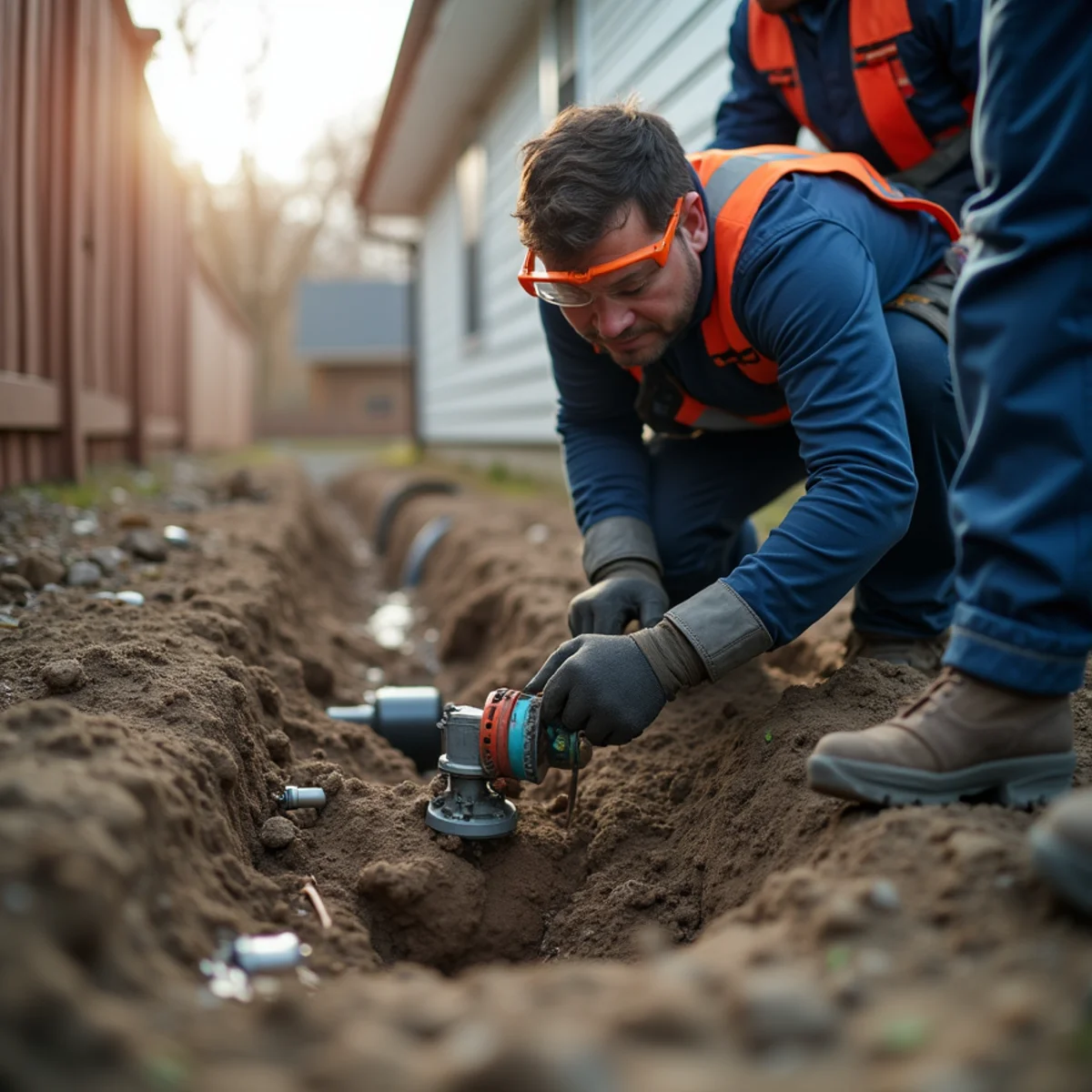
In South Suburban homes, a slow or clogged toilet does not always indicate a localized problem within the fixture itself. In many instances, the toilet is simply the first fixture to display symptoms of a larger, systemic drainage issue. If your toilet bubbles, gurgles, or loses its water seal when an adjacent bathtub drains or when the basement washing machine discharges, the problem is frequently caused by a restricted roof vent stack or root intrusion in the main underground sewer lateral. When birds, leaves, or winter frost ice-caps block the vertical plumbing roof vent, draining water pulls a strong vacuum through the system. This negative hydraulic pressure siphons the protective water barrier out of the toilet trapway, allowing volatile sewer gases and foul methane odors to escape directly into bathroom living spaces. Furthermore, deciduous trees common to Flossmoor—such as mature silver maples, honey locusts, and bur oaks—frequently invade joints in older clay sewer pipes outside the home. As wastewater backs up into the lowest branch lines, trapped air is forced upward through the toilet trapway, creating telltale bubbling sounds. When Central Rodding evaluates a recurring toilet clog, our technicians assess the broader drainage network, utilizing closed-circuit sewer cameras when needed to verify whether the blockage is confined to the bowl or requires main line Spartan rodding.
High-Efficiency Replacement: WaterSense Standards, Ergonomic Comfort & Pricing
If an older toilet requires frequent repairs, suffers hairline porcelain cracks, or consumes 3.5 to 5.0 gallons per flush, replacing the fixture with a modern high-efficiency model is an excellent investment. Central Rodding installs premier contractor-grade toilets from trusted manufacturers including Kohler, Toto, and American Standard. Modern EPA WaterSense-certified fixtures utilize only 1.28 gallons per flush—reducing toilet water consumption by more than 60 percent—while delivering superior flushing power through oversized 3-inch or 4-inch flush valves and 2-1/8-inch fully glazed computer-designed trapways that virtually eliminate clogs. We help homeowners select between standard 14.5-inch rim heights and ergonomic Comfort Height (Right Height / Universal Height) 16.5- to 17-inch models that provide superior accessibility for adults and seniors. Minor component rebuilds typically range from $165 to $265, while full toilet resets with cast iron flange repairs range from $275 to $450. Complete turnkey toilet replacements generally range from $450 to $750+, including professional removal, eco-friendly haul-away of the old porcelain fixture, new solid brass closet bolts, a heavy-duty braided stainless steel supply line, and comprehensive operational pressure testing.
Seven Decades of Honest South Suburban Plumbing Craftsmanship Since 1957
Since 1957, Central Rodding Total Sewer Service, Inc. has delivered honest, dependable plumbing service to homeowners across Flossmoor and the southern suburbs. We believe in providing straightforward diagnostic assessments: if a $150 flapper and fill valve rebuild safely restores your toilet to like-new operation, that is the exact repair we recommend. We never push unnecessary fixture replacements. Our licensed plumbers protect your home with heavy floor runners, wear sanitary protective shoe covers, and leave bathrooms pristine. Fully licensed, bonded, and insured throughout Illinois, Central Rodding holds an A+ rating with the Better Business Bureau. For dependable, same-day toilet repair, augering, or new fixture installation anywhere in Flossmoor, Homewood, Olympia Fields, or surrounding South Suburban communities, call our friendly team today at (614) 830-0578.
Serving Flossmoor & Surrounding South Suburbs
We provide toilet repair & installation across these neighboring Cook County communities: